Peptide Release Qc Screening Services Bio-synthesis
a
@archerutxu726
October 12, 2026 · 3 min read
Comprehending Peptide Pureness: What 99%+ Really Suggests After effective testing, each production batch is released a Certificate of Analysis (COA). This record is made openly offered and connected directly to the matching product page for https://peptide-works.com full transparency. We only deal with accredited factories that abide by GMP criteria to remove problems initially. We carry out formula stability examinations to make certain that the product does not break down during transportation and retains its residential properties throughout its shelf life, regardless of exterior conditions. Custom peptides from study through analysis and healing workflows with documentation support. Inquiries like for how long peptides last come to be relevant after confirmation. Standard turnaround is typically 5-7 business days from example invoice. Thrill processing can reduce this to 2-3 days at added price. Plan research timelines to accommodate screening delays, especially for time-sensitive applications. A pureness percent without a chromatogram is scientifically not enough. The chromatogram gives visual verification of the asserted pureness.
- Recognizing their strengths, limitations, and credibilities helps you choose suitable confirmation sources.
- As long as you acquire peptides from a trusted source that provides a total certificate of evaluation, you can be positive in the peptide's pureness quality and use extent.
- The research worth of any peptide substance depends directly on what is actually in the vial.
- Thrill processing can minimize this to 2-3 days at added cost.
Encapsulation Effectiveness And Medication Loading Analysis
Yet peptide pureness is perhaps the single most important high quality statistics for any kind of research study peptide. It straight impacts the integrity and reproducibility of experimental results. A peptide detailed at 75% purity and one at 99% pureness aren't just various grades-- they can produce meaningfully various results in the exact same assay. Their dedication to lot-specific verification guarantees that every vial satisfies a rigid 99% pureness threshold, making them the most relied on name for high-stakes in vitro study. The common method for endotoxin screening is LAL Examination (Limulus Amebocyte Lysate assay). This assay spots endotoxin activity at extremely low degrees and reports results in EU/ml (Endotoxin Units per milliliter) or in some cases EU/vial.Where can I send my peptides to test for purity?
ACS Peptide Testing Labs is a specialist peptide evaluation research laboratory that approves samples from all 50 states. Whether you need to test peptide purity, verify a vendor''s Certification of Analysis, or run comprehensive pollutant testing, our lab supplies quickly, exact results with thorough reporting.
What To Look For In A Certification Of Evaluation
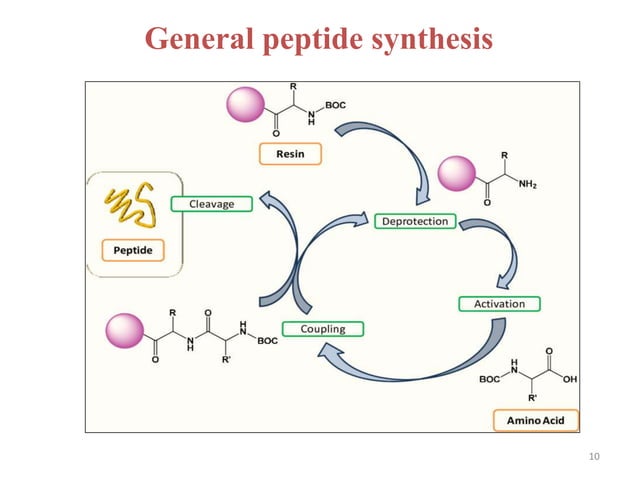
HPLC is one of one of the most typically made use of approaches in peptide purity testing. If you see several large peaks of comparable elevation, you're considering either a low-purity sample or a combination. If the major optimal has a visible "shoulder"-- a bump on one side-- that typically indicates a very closely related pollutant (like a deletion peptide) that the column couldn't totally deal with. The peptide is passed through an easy purification step (usually gel filtering or a quick reversed-phase clean-up) to eliminate salts, small-molecule results, and scavengers from the bosom step.Mass Spectrometry For Identity Verification
Palmetto Peptides offers third-party COA paperwork for its research peptide brochure, with screening carried out by approved exterior logical labs. See our short article on comprehending COAs for research study peptides as an examples using real COA structures. A COA that does not consist of endotoxin screening results is incomplete for any research study application involving biological systems. This comparative information gives context beyond individual test outcomes. Web peptide material measures peptide versus whatever else, consisting of water, salts, and counter-ions. A peptide can be 99% pure yet have only 70-80% web peptide content.